
Whatsapp: +86-18537309643 Email: cathy@unioncoding.com

Views: 0 Author: Site Editor Publish Time: 2026-05-11 Origin: Site
In the world of Thermal Transfer Overprinting (TTO), choosing the right ribbon is not just about price—it’s about the integrity of your brand. A smudge on a production date or an unreadable barcode can lead to rejected shipments, retailer fines, and consumer distrust.
The most common question we get from production managers using Markem-Imaje or Linx printers is: "Should I use Wax/Resin or Full Resin ribbons?"
In this guide, we break down the critical differences based on material, environment, and durability requirements.
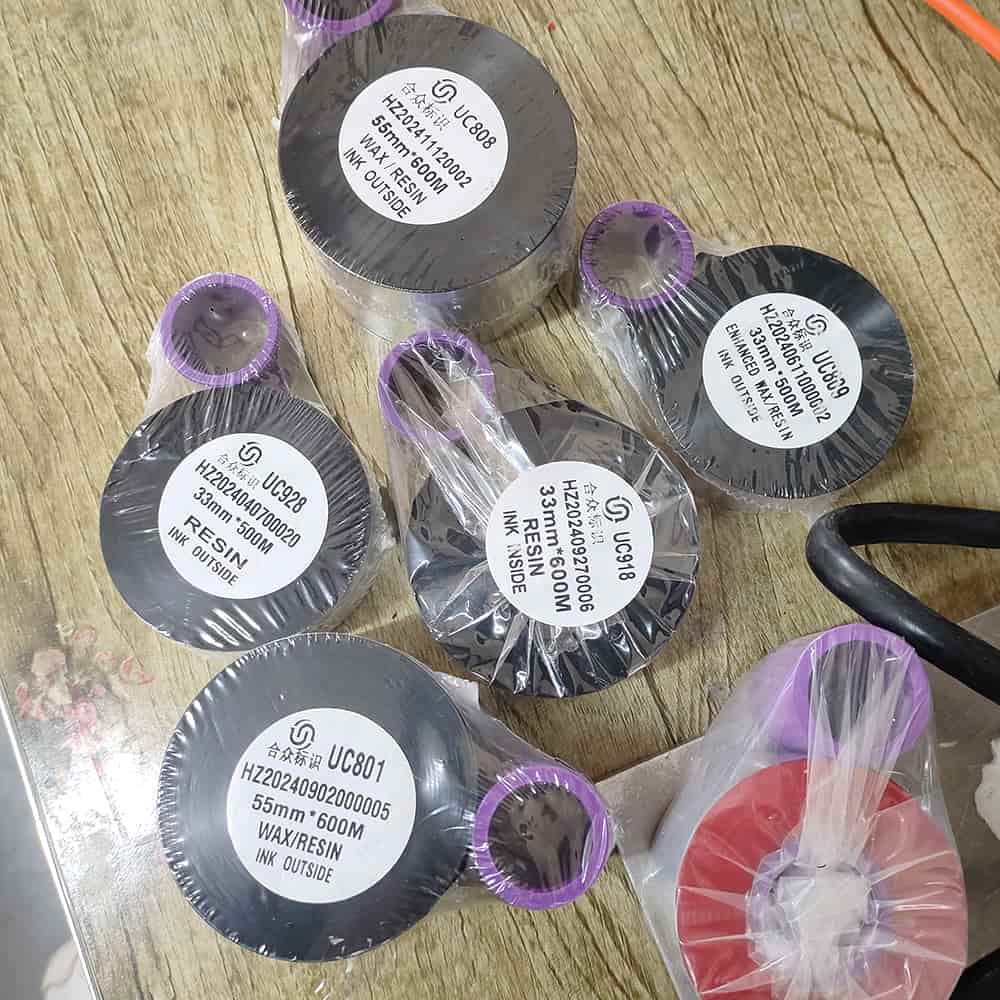
The "substrate" (the surface you are printing on) is the primary factor in ribbon selection. Thermal transfer ink must bond chemically with the packaging material.
Wax/Resin Ribbons: These are the "all-rounders." They perform exceptionally well on flexible packaging such as standard PE (Polyethylene) and some coated papers. If you are coding on snack bags or bread wraps, Wax/Resin offers the best balance of cost and quality.
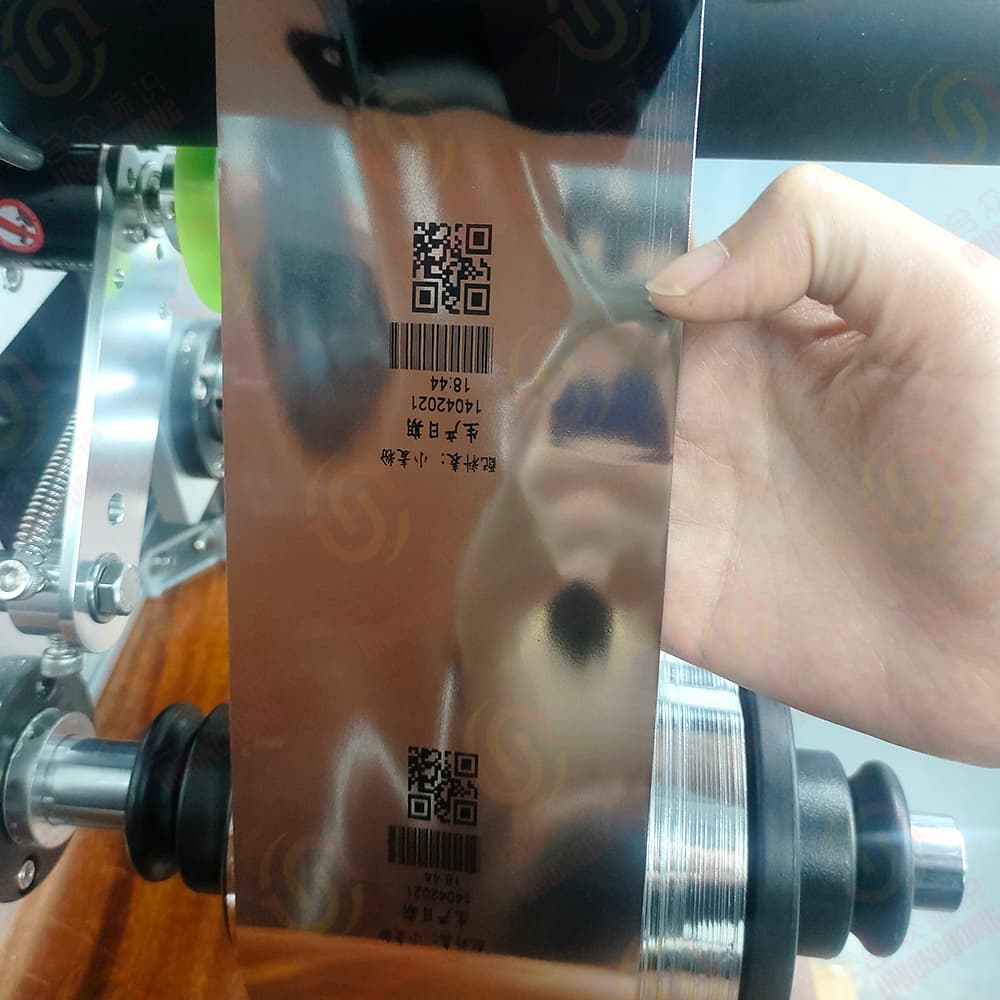
Full Resin Ribbons: These are reserved for high-end synthetic materials like PET (Polyester), metallic films, and Aluminum Foil. Resin has a higher melting point, allowing the ink to "lock" into the smoother, non-porous surfaces of premium films where Wax/Resin might slide or smudge.
Think about the journey your product takes. From the production line into a shipping carton, and finally onto a retail shelf, the code is subjected to constant friction.
Wax/Resin: Offers moderate scratch resistance. It can withstand standard handling but may fail if subjected to heavy abrasion or chemical cleaners.
Full Resin: This is the "indestructible" option. Once cured, Resin ribbons are highly resistant to rubbing, scratching, and even some solvents. If your products are handled frequently or exposed to oils during the packaging process, Full Resin is a must.
Frozen food packaging presents a unique challenge: condensation and sub-zero temperatures.
If you are coding on frozen vegetables, meats, or ice cream packaging, you need a ribbon that won’t crack or peel when the moisture hits.
The Winner: Premium Wax/Resin or Full Resin. Standard Wax/Resin can sometimes lose adhesion in extreme cold. For deep-freeze applications (below -18°C), we recommend a specialized Resin-based formula that maintains flexibility and "grip" even in frozen conditions.
A batch code that fades after three months is a liability.
Durability Comparison: While Wax/Resin is sufficient for short-shelf-life products (like fresh bakery items), Full Resin is superior for long-shelf-life products (pharmaceuticals or industrial parts). Resin ink is more UV-stable and less prone to fading over time, ensuring your "Best Before" date is as clear on the day of consumption as it was on the day of production.
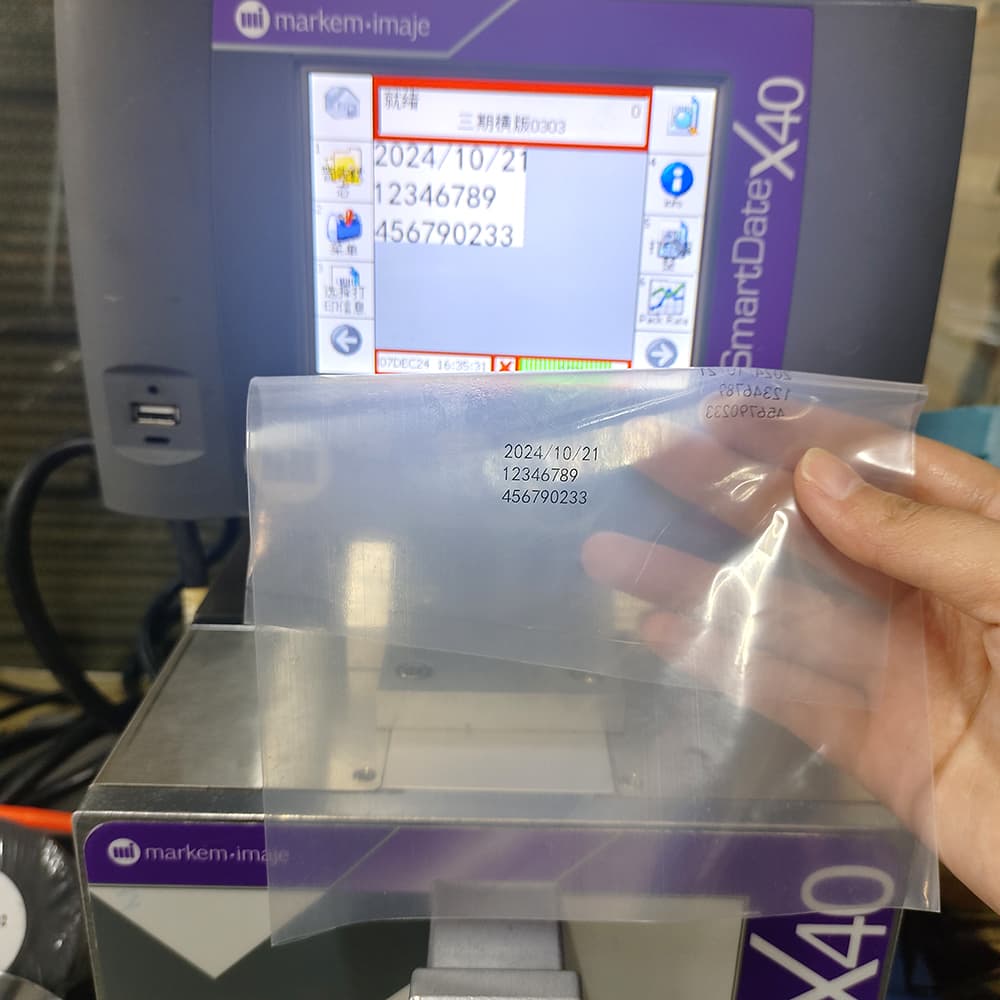
| Feature | Wax/Resin Ribbon | Full Resin Ribbon |
| Best Substrate | PE, Flexible Film, Coated Paper | PET, Aluminum Foil, Synthetic Film |
| Scratch Resistance | Good | Excellent |
| Cold Resistance | Moderate | High |
| Cost | Budget-Friendly | Premium |
| Common Use | Snacks, Fresh Produce, Labels | Pharmaceuticals, Frozen Food, Chemicals |
Choosing the wrong ribbon can be an expensive mistake. At UnionCoding, we specialize in compatible TTO ribbons for VJ, Markem-Imaje, and Domino printers. Our team can help you match the right formulation to your specific substrate and environment.
Want to see for our UC809 (Wax/Resin) and UC269 (Resin) series? Request a Free Sample Roll for a trial on your production line today!