
Whatsapp: +86-18537309643 Email: cathy@unioncoding.com

Views: 0 Author: Site Editor Publish Time: 2026-04-15 Origin: Site
The Ultimate Guide to Selecting TTO Ribbons for Different Flexible Packaging Materials
In the fast-paced world of flexible packaging, the clarity and durability of your date codes, batch numbers, and barcodes are non-negotiable. Whether you are in the food, pharmaceutical, or cosmetic industry, the performance of your Thermal Transfer Overprint (TTO) system depends heavily on one critical component: the TTO Ribbon.
Choosing the wrong ribbon can lead to poor adhesion, smudging, or even damage to your printhead. This guide will help you understand how to match the right ribbon with your specific packaging material.
1. Understanding the Two Main TTO Ribbon Types
For most flexible packaging applications, you will choose between two primary formulations:
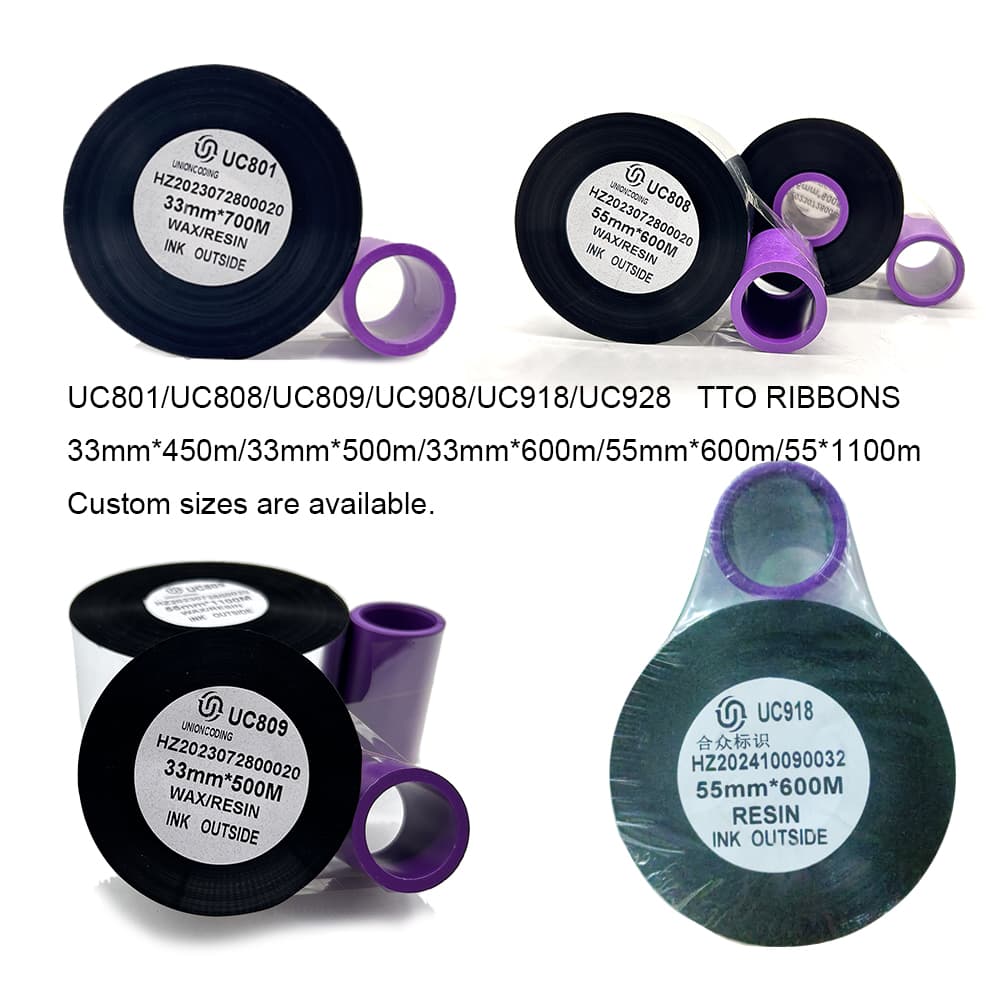
Wax-Resin Ribbons (The Versatile Choice)
· Composition: A blend of wax and resin.
· Best For: High-speed printing on various substrates.
· Advantages: Excellent smudge resistance and good durability at a competitive price.
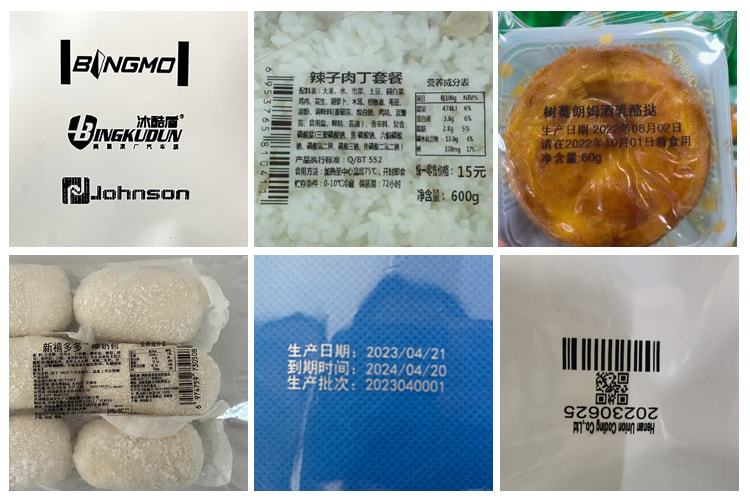
· Typical Applications: Snack food bags, confectionery, and general frozen food packaging.
Resin Ribbons (The Extreme Durability Choice)
· Composition: Primarily resin-based.
· B
3. Pro Tips for TTO Success
1. Check Your Printhead Speed: Ensure your ribbon is rated for your printer's
speed (e.g., 600mm/s).
2. Test the Tension: Incorrect ribbon tension can cause "ribbon wrinkle" or
Snapping.
3. Storage Matters: Keep your ribbons in a cool, dry place (5°C to 35°C) to
prevent the layers from sticking together.
est For: Environments requiring high heat, chemical, or abrasion resistance.
· Advantages: Almost indestructible once printed; resistant to oils, fats, and sterilization processes.
· Typical Applications: Medical device pouches, chemical labels, and high-fat dairy packaging.
2. Matching Ribbons with Packaging Materials (With Examples)
The success of your coding depends on the surface energy and texture of your packaging film. Here are the most common scenarios:
Case A: Polyethylene (PE) & Polypropylene (PP)
PE and PP are common in "bread bags" and "fresh produce bags." These materials have a relatively low surface energy.
· Recommended Ribbon: High-quality Wax-Resin.
· Example: A producer of organic salad bags uses a 53mm TTO printer. By switching to a high-adhesion wax-resin ribbon, they eliminated "ink flaking" that previously occurred when the bags were handled during shipping.
Case B: Polyester (PET) & Metallized Films
Common in high-barrier snack food packaging (like potato chip bags) or coffee pouches.
· Recommended Ribbon: Standard or Premium Wax-Resin.
· Example: A coffee roaster needed to print complex QR codes on metallized PET pouches. Using a premium wax-resin ribbon ensured the QR codes remained scannable even after being rubbed against other pouches in the carton.
Case C: Nylon & Specialized Medical Grades
Used for vacuum packaging (meat/cheese) or medical sterilization pouches (Tyvek))
· Recommended Ribbon: Full Resin.
· Example: A medical equipment manufacturer prints expiration dates on Tyvek pouches that undergo Steam/EO sterilization. Only a high-grade resin ribbon can survive the high temperatures and moisture of the sterilization cycle without fading.
3. Pro Tips for TTO Success
1. Check Your Printhead Speed: Ensure your ribbon is rated for your printer's speed (e.g., 600mm/s).
2. Test the Tension: Incorrect ribbon tension can cause "ribbon wrinkle" or Snapping.
3. Storage Matters: Keep your ribbons in a cool, dry place (5°C to 35°C) to prevent the layers from sticking together.
Conclusion
Selecting the right TTO ribbon isn't just about the price—-it's about protecting your
brand and ensuring traceability throughout the supply chain. By matching your ribbon
formulation to your packaging material, you can achieve crisp, permanent codes that
stand up to the rigors of distribution.